Choosing Welsh Gold as a Wedding Piece Meant to Be Passed Down
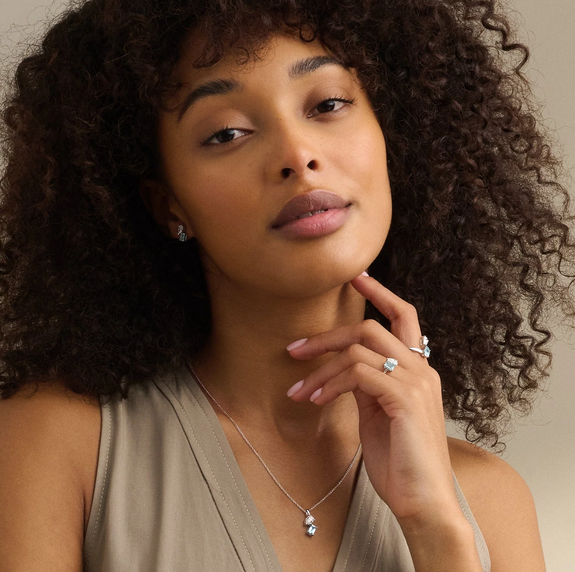
Some wedding jewellery is bought purely for the day itself, while other pieces are chosen with a longer future in mind, an object intended to outlast the wearer and eventually pass to the next generation. Welsh gold sits naturally in that second category more than most wedding metals, given its genuine scarcity and its documented place in a royal tradition already spanning a century, from a single ring chosen in 1923 through to weddings taking place this very season. Couples marrying this late summer who are thinking beyond the wedding day itself have increasingly asked how to choose pieces specifically with that longer, multi-generational future in mind.
**Why scarcity makes Welsh gold particularly suited to heirloom pieces.** Welsh gold’s defining characteristic, its genuine rarity, is precisely what gives a piece lasting significance beyond a single generation. Because the source mines in Snowdonia are now largely exhausted, a ring or pendant containing even a small proportion of genuine Welsh gold represents a finite, non-renewable resource that cannot simply be replicated by a future generation wanting something similar. That scarcity, which might seem like a limitation when choosing a piece purely for its own sake, becomes an asset when the piece is intended to be handed down, since its story only deepens with time rather than becoming easier to replace.
Choosing designs built to last rather than follow a passing trend
Trends in jewellery design shift over decades in ways that can make a fashionable piece feel dated to a later generation, whereas simpler, more classic designs tend to age more gracefully across a multi-generational lifespan. Clogau’s gold rings collection includes a strong range of understated, classically proportioned pieces alongside more detailed contemporary designs, and couples specifically planning for a piece to be worn by future family members often lean toward the former, betting on longevity over a design that feels distinctly of its particular moment.
**The Cariad inscription as a message across generations.** The Welsh word Cariad, meaning beloved, appears discreetly inscribed inside many of Clogau’s wedding designs, and that inscription carries a different kind of weight when a piece is understood from the outset to be a future heirloom rather than a purely personal purchase. A grandchild discovering that inscription decades from now, inside a ring or pendant originally chosen at a wedding they were never present for, receives a small, direct message of continuity that a plain, uninscribed piece could never quite carry in the same way.
**Documenting the piece’s history for future generations.** A ring’s meaning as an heirloom depends partly on the story attached to it being preserved and passed along with the object itself, since an unexplained piece of jewellery inherited without context loses much of its intended significance decades after the original purchase was made. Couples planning for a piece to be passed down are increasingly keeping a simple written record alongside it, when and where it was bought, what it represents, any personal engraving details, so that the story survives even if it is not told in person for a generation or two after the original wedding took place.
Choosing between a single significant piece and a growing collection
Some couples concentrate their heirloom planning on a single significant piece, typically the wedding ring itself, while others deliberately build a wider collection across their marriage specifically intended for eventual distribution among children or grandchildren. Clogau’s wedding and bridal collection and wider women’s jewellery range both support either approach, whether a couple wants one clearly designated heirloom piece or a broader set of coordinated items to divide later among multiple family members.
**Construction choices that matter for a piece meant to last generations.** A piece intended to be worn by multiple people across decades benefits from slightly different construction considerations than one bought purely for a single wearer’s lifetime, sturdier settings, classic rather than delicate proportions, and metal choices that tolerate resizing without significant loss of integrity. Clogau stockists can advise directly on these construction details when a couple specifically explains their intention for a piece to be passed down, allowing for choices that anticipate resizing or repair many years down the line rather than assuming the original fit and condition will remain unchanged forever.
Choosing symbolic designs with generational themes
Several of Clogau’s ranges lean into themes of connection, continuity and inheritance directly through their design language rather than relying purely on the material’s inherent story, motifs built around family trees, linked generations or enduring natural forms. Couples specifically planning for a piece to be passed down have gravitated toward these more symbolically loaded designs from the top pieces collection, reasoning that a design already built around the idea of generational continuity reinforces rather than simply accompanies the heirloom intention behind the purchase.
Considering how a piece will suit different recipients over time
A design chosen with a specific grandchild or future family member in mind inevitably involves some guesswork, since tastes and circumstances decades from now cannot be fully predicted at the point of purchase. Couples who find this uncertainty difficult to plan around sometimes choose from Clogau’s all rings range specifically for designs versatile enough to suit a range of possible future tastes, favouring adaptable, classic proportions over anything too closely tied to a single moment’s specific style preferences.
Read More: Shoes You Forget You’re Wearing (Until Someone Compliments Them)
**A tradition that grows more meaningful with each generation it touches.** Part of what makes the royal Welsh gold tradition so compelling is precisely that it has been passed from one generation to the next for a century, each royal wedding adding to a story that began with a single ring in 1923. Couples choosing Welsh gold with heirloom intentions are, in a modest way, participating in exactly that same pattern, understanding that a piece chosen now may eventually carry meaning for people not yet born, in circumstances the original couple could never fully anticipate.
**Talking to family about heirloom intentions early.** Couples planning for a piece to eventually pass to a specific child or grandchild sometimes assume that intention will simply be understood without ever being explicitly discussed, which can lead to confusion or disappointment decades later if the intended recipient was never actually told. Having an early, clear conversation about which pieces are intended for eventual inheritance, and roughly how that distribution might work across multiple children, tends to prevent exactly this kind of ambiguity, even if the actual handover remains decades away at the time the conversation first takes place, and revisiting that conversation occasionally as family circumstances evolve tends to keep everyone’s expectations aligned rather than left to guesswork many years later when memories of the original intention have inevitably faded for everyone involved.
There is something worth taking seriously in choosing a wedding piece with more than a single day in mind. Welsh gold’s genuine rarity and its century-old royal tradition make it particularly well suited to that kind of longer thinking, a material that only grows scarcer and a story that only grows longer with each year that passes. Couples marrying this late summer who choose their pieces with that future in view are not simply buying jewellery for their wedding day, but beginning a small, tangible thread of family history that may still be worn, and still be telling its story, long after the couple who first chose it are no longer here to tell it themselves.
Starting the tradition with more than just the wedding ring
Couples wanting to build a genuine heirloom tradition from the outset sometimes choose a small additional piece alongside the wedding ring itself specifically designated for future inheritance, a pendant or bracelet from Clogau’s yellow gold wedding bands collection kept deliberately separate from everyday wear and reserved instead for eventual handover. Starting the tradition this deliberately, with a specific piece set aside from the very beginning of a marriage, tends to give the eventual handover a clearer sense of occasion than simply deciding after the fact which existing piece might now be suitable to pass along.
Read More: Elevate Your Wardrobe with the Finest Thobe and Jubba for Men
**Revisiting heirloom plans as family circumstances change.** Family circumstances inevitably shift over the decades a piece is intended to be held before passing down, children arrive, relationships change, and the specific recipient originally imagined may no longer be the most fitting choice by the time the actual handover eventually happens. Treating heirloom plans as a general intention rather than a fixed, unchangeable arrangement allows for that natural evolution, and revisiting the plan periodically, perhaps at significant anniversaries, keeps the tradition responsive to a family’s actual circumstances rather than locked rigidly to a decision made decades earlier under very different conditions.